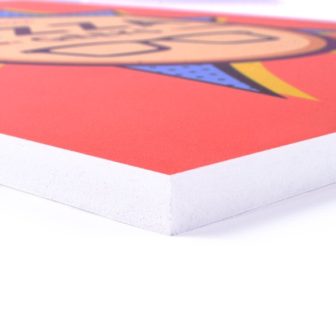
During building projects, site hoarding panels serve as both functional and promotional features. They not only give security and solitude but also a special chance to promote the project and interact with the neighbourhood. To make a good impression on onlookers and leave a lasting impression, it is crucial to design a beautiful site hoarding panel. In this piece, we’ll look at how to pick and create a site hoarding panel that appeals to a broad demographic while taking into account elements like target audience, accessibility and inclusion, and environmental sustainability.

Understanding the target audience:
It is essential to determine the building project’s target audience in order to produce an appealing design. It will be easier to adapt the design to their particular demands if you are aware of their demographics, preferences, and hobbies. For instance, if the building is located in a neighbourhood frequented by families, using brilliant hues and upbeat graphics might be more inviting. On the other hand, a more polished and professional design can be appropriate if the project is in a business area.
Accessibility and inclusivity:
It is crucial to design site hoarding panels with inclusivity and accessibility in mind so that everyone can understand and interact with the information shown. Large fonts and strong background–text contrast is essential for clear visibility and legibility. The usage of colours on the hoarding panels should take colour blindness into account and be easy for those with various types of colour vision deficiencies to discern. For people who are blind or visually impaired, adding braille or tactile features can improve accessibility and make it easier for them to access the information on the hoarding panels.
Environmental sustainability:
In today’s world, environmental sustainability is a significant consideration in design choices. When selecting materials for site hoarding panels, opt for eco-friendly options that minimise environmental impact. For instance, using recycled materials or choosing sustainable alternatives like bamboo or recycled plastic can help reduce waste and promote sustainability. Additionally, aim for hoarding panels that can be reused in future projects or easily recycled at the end of their lifespan, reducing the overall environmental footprint.
Collaborating with professionals:
It is crucial to design site hoarding panels with inclusivity and accessibility in mind so that everyone can understand and interact with the information shown. Large fonts and strong background–text contrast is essential for clear visibility and legibility. The usage of colours on the hoarding panels should take colour blindness into account and be easy for those with various types of colour vision deficiencies to discern. For people who are blind or visually impaired, adding braille or tactile features can improve accessibility and make it easier for them to access the information on the hoarding panels.
Conclusion:
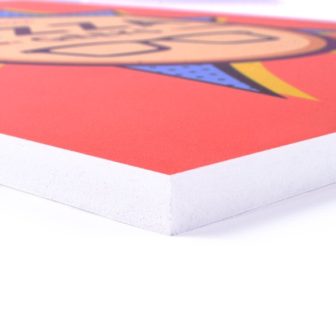
When choosing and designing site hoarding panels, it is essential to create an attractive and inclusive design that appeals to everyone. Consideration of the target audience’s preferences, accessibility and inclusivity, and environmental sustainability are key factors in achieving this goal. By selecting the right materials, such as foamex printing, and incorporating clear visibility, legibility, and accessibility features, the Board Printing Company can create site hoarding panels that leave a positive impression on both the community and the environment. Collaborating with professionals, such as designers and architects, will further enhance the design process and ensure a visually appealing composition.
 boardprintingcompany